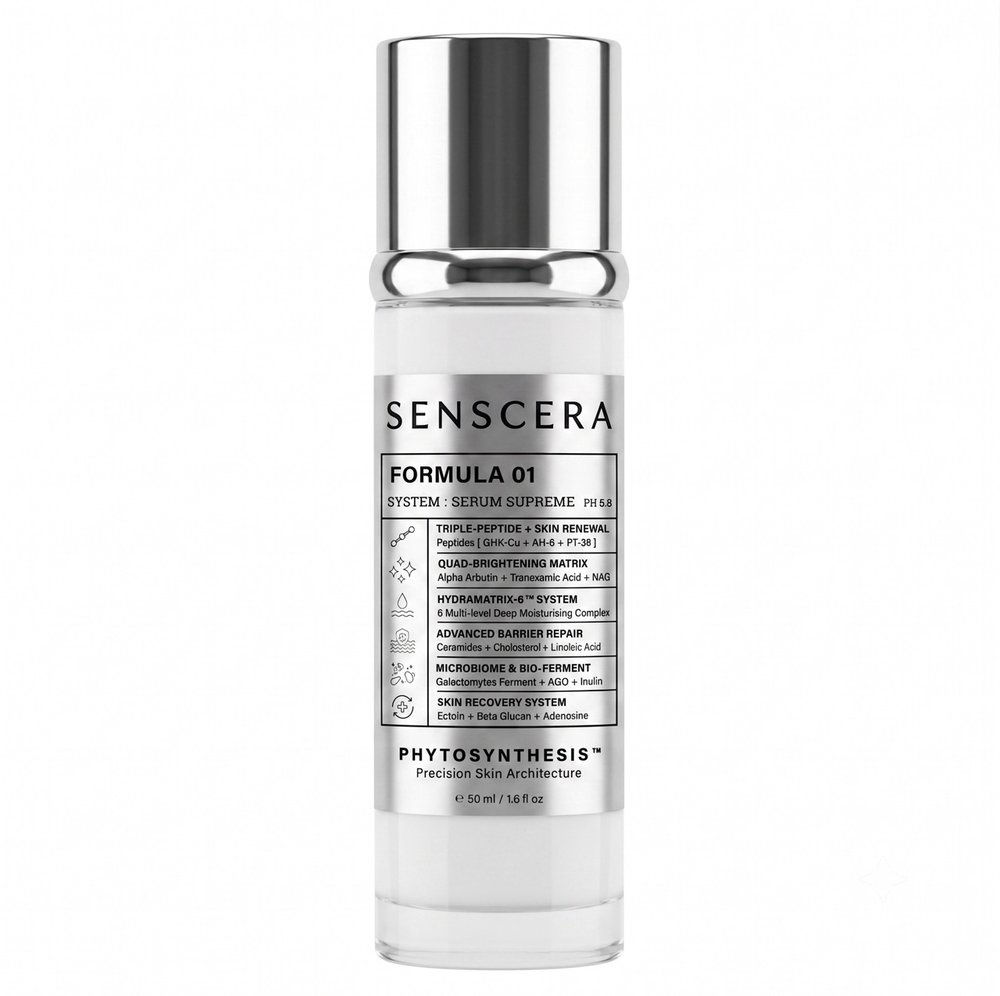
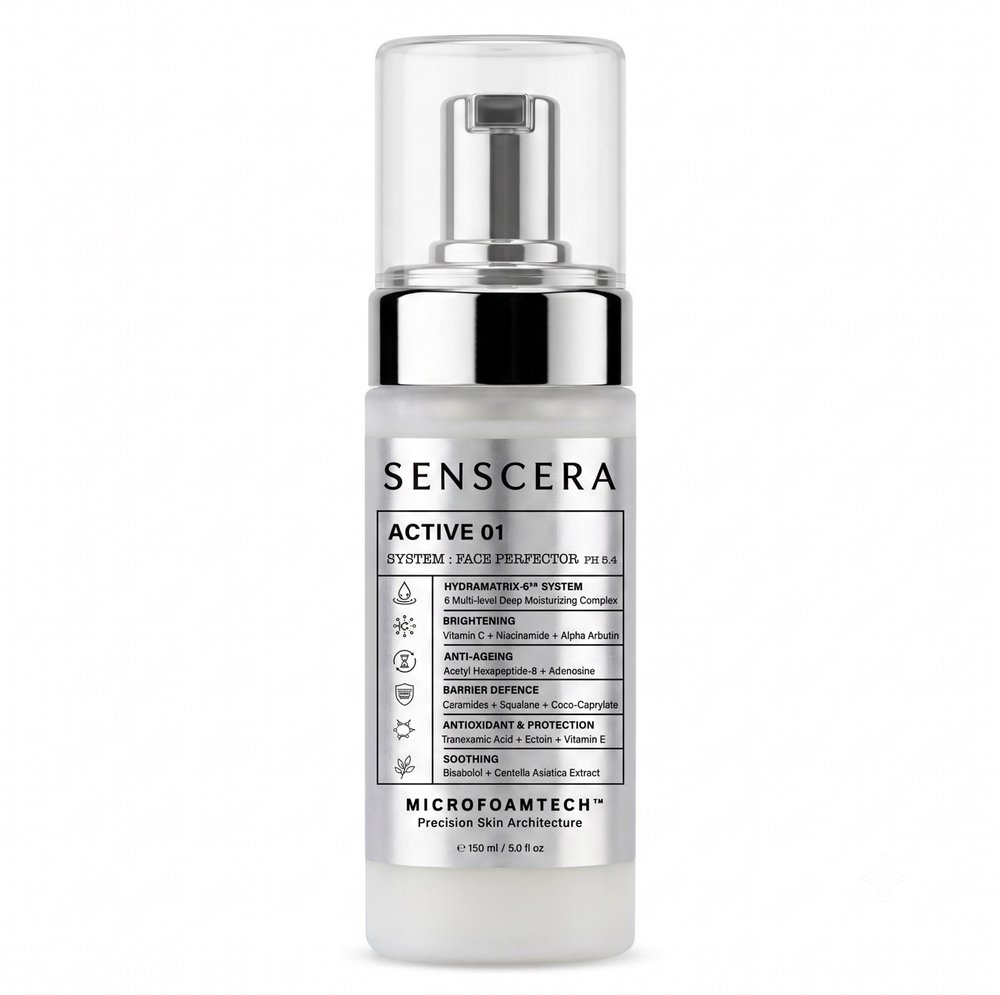
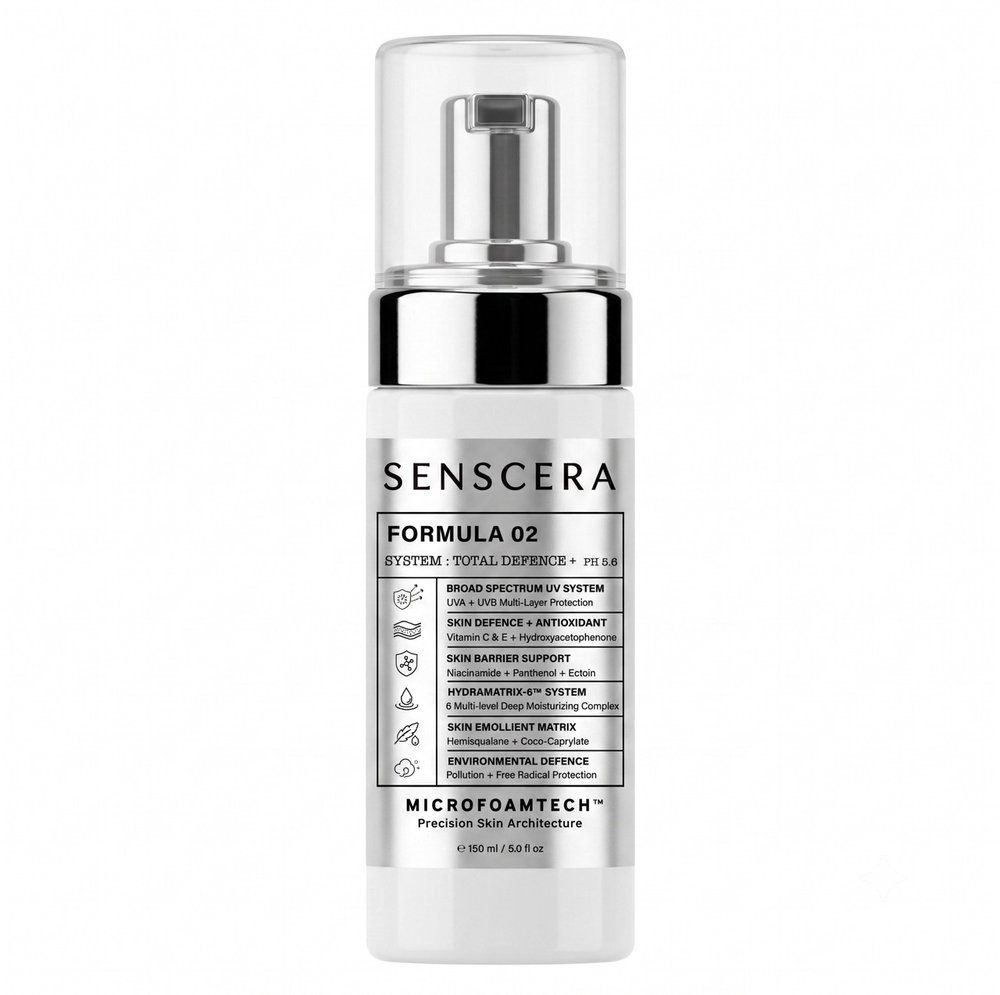
Radiance system

LumiMatrix-5

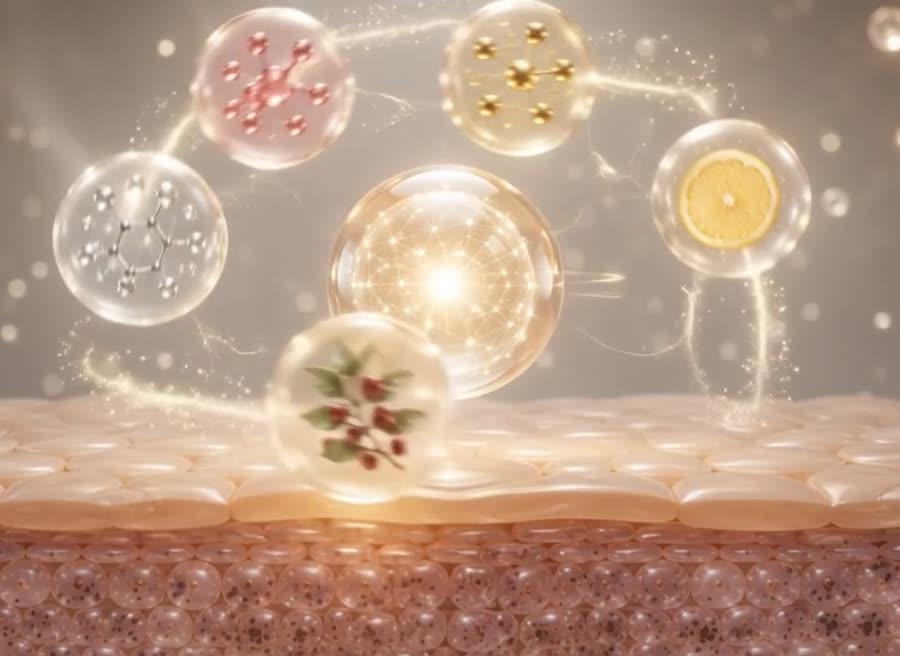
Five molecules. Four pathways. One clear result.

Uneven tone is not one process. It is at least four, running at once, which is exactly why single-ingredient brighteners disappoint. LumiMatrix-5 addresses four pathways in parallel, at doses your skin can actually tolerate.

Scroll to explore
In 30 seconds
The problem

Uneven tone runs on four pathways at once. Single-ingredient brighteners hit one, at a dose high enough to irritate. And irritation itself creates new pigment.

The mechanism

Five molecules across synthesis, transfer, inflammation and renewal, each at a dose skin tolerates daily. Four moderate interventions beat one aggressive one.

Why it's worth it

Tone that evens out and stays even, because the trigger is addressed too. Give it 8–12 weeks, and wear SPF, or you're refilling the bucket you're emptying.

Read the full breakdown
01

Why pigment is so stubborn.

Pigment is made by melanocytes sitting at the base of your epidermis, roughly one melanocyte serving about 36 keratinocytes around it. That unit is the reason a single melanocyte can darken a visible patch of skin.

Inside the melanocyte, pigment is manufactured in packets called melanosomes. The rate-limiting step is an enzyme called tyrosinase, which converts the amino acid tyrosine through DOPA to dopaquinone, and onward into melanin. Those melanosomes are then pushed along the melanocyte's arms and handed off into surrounding keratinocytes, where they park above the cell nucleus like a parasol. That handoff is why pigment becomes visible.

It is triggered by more than sunbathing: UVA and UVB, visible light (particularly relevant for deeper skin tones), heat, hormones, and, critically, inflammation. Any insult that inflames skin can leave a mark behind: post-inflammatory hyperpigmentation.

Now the trap. Most brightening products attack one step, usually tyrosinase, at the highest dose they can get away with. But blocking synthesis does nothing about melanosomes already handed to keratinocytes, or pigment already sitting at the surface, or the inflammation that keeps re-triggering the whole cascade. Worse: high-dose single agents tend to irritate, and irritation causes pigmentation. You can genuinely make the problem worse while doing something about it.

That is the case for spreading the work across several pathways at moderate doses instead of forcing one pathway at a high one.

4pigment pathways addressed simultaneously
5molecules, each at a tolerable dose
~1:36melanocyte to keratinocyte ratio, why one cell darkens a patch
8–12 wksrealistic window for visible change
02

Four pathways, addressed at once.

Pigment is redundant by design. It is a protective system, and protective systems have backups. Interrupting it meaningfully means working at four points in the chain rather than one.

01STEP 01

Synthesis

Alpha Arbutin and stabilised Vitamin C act on tyrosinase, the rate-limiting enzyme, reducing how much new pigment is produced in the first place.

02STEP 02

Transfer

Niacinamide interferes with the handoff of melanosomes from melanocyte to keratinocyte. Pigment that is never transferred never becomes visible tone.

03STEP 03

Inflammation

Tranexamic Acid interrupts the plasmin cascade that inflammation and UV use to stimulate melanocytes, addressing the trigger rather than the output.

04STEP 04

Renewal

N-Acetyl Glucosamine supports surface turnover and pigment maturation, helping clear what is already there so results keep building.

Block one pathway and pigment simply uses another.

Four parallel interventions at moderate doses beat one intervention at an aggressive dose, with far less risk of the irritation that creates new pigment.

03

Five molecules. Four mechanisms.

Every molecule here is chosen for a specific point in the pigment cascade, and for tolerability, because irritation is counterproductive.

01Synthesis

Alpha Arbutin

INCI · Alpha-Arbutin
Tyrosinase inhibition

A glycoside that releases its active slowly rather than all at once. It competitively inhibits tyrosinase, meaning less tyrosine gets converted into pigment. It is markedly more stable and better tolerated than crude hydroquinone, which is why it belongs in a product you use daily rather than a short medical course.

02Synthesis

Stabilised Vitamin C

INCI · 3-O-Ethyl Ascorbic Acid
Antioxidant & brightening

Pure ascorbic acid is famously unstable and famously irritating. A stabilised derivative keeps the useful chemistry: it reduces dopaquinone back a step, interrupting the chain mid-reaction, chelates the copper that tyrosinase needs to function, and quenches the free radicals that UV and pollution generate. It works on pigment and on the oxidative stress that triggers it.

03Transfer

Niacinamide

INCI · Niacinamide
Melanosome transfer block

Vitamin B3, and one of the best-evidenced molecules in cosmetic science. Its brightening action is mechanically distinct from everything else here: it does not stop pigment being made, it interferes with pigment being delivered. It also supports ceramide synthesis and calms redness, meaning it strengthens the barrier while it works, rather than taxing it.

04Inflammation

Tranexamic Acid

INCI · Tranexamic Acid
Plasmin cascade interrupt

A lysine analogue originally used in medicine to control bleeding. In skin it inhibits plasminogen activation, reducing the arachidonic acid and prostaglandins that inflammation and UV use to stimulate melanocytes. It also addresses the vascular component that makes stubborn patches look flushed as well as dark, which is why it is the molecule of choice for marks that keep coming back.

05Renewal

N-Acetyl Glucosamine

INCI · Acetyl Glucosamine
Turnover & maturation

An amino sugar that interferes with the glycosylation step that converts inactive pro-tyrosinase into working tyrosinase, an unusual and useful angle. It also supports hyaluronic acid synthesis and healthy surface turnover, helping the skin shed pigment it already holds. It has been studied in combination with niacinamide specifically.

04

Multi-pathway versus brute force.

The difference is not how hard a product pushes. It is how many places it pushes, and how gently it can afford to push each one.

Single-agent brightenerLumiMatrix-5
Pathways addressedOne (usually synthesis)Four, synthesis, transfer, inflammation, renewal
Dose per moleculeHigh, one molecule forced to do all the workModerate, the work is shared
Irritation riskHigher, and irritation itself creates new pigmentLower by design
Pigment already in the skinLargely unaddressedSupported through renewal
Re-triggering by UV and heatUnaddressedInflammation pathway directly addressed
Barrier effectOften taxingNiacinamide supports barrier while working

Why doses are moderate on purpose

It is tempting to read a high percentage as a stronger product. In pigment, it usually is not. Irritation triggers the exact inflammatory cascade that produces post-inflammatory hyperpigmentation, so an aggressive single-agent formula can create the marks it is meant to remove. Four moderate interventions across four pathways do more, with a fraction of the provocation.

05

The part most brands leave out.

If you are going to spend money on this, you deserve the caveats as well as the claims.

Melanin is not the enemy. It is your skin's own UV defence. The goal here is evenness and clarity, not bleaching, and not being a shade you are not.

Without daily SPF, you are refilling the bucket you are emptying. UV re-triggers the entire cascade. Every brightening molecule on this page is working against the sun, and the sun works every day. This is the single biggest determinant of whether you see results.

It takes 8–12 weeks, not 8–12 days. Pigment sits inside cells that take roughly a month to turn over, and the pigment already made has to leave before evenness shows. Anything promising a week is selling you a moisturiser and a filter.

Melasma is a medical condition. It is hormonally driven, it relapses, and it deserves a dermatologist, not a serum alone. Cosmetics can support the picture. They cannot manage the condition.

06

What this actually means for your skin.

Tone that evens out rather than patches out. Working four pathways addresses new pigment, transferred pigment, inflammatory marks and existing surface pigment, instead of leaving three of the four running.

Results that hold. Addressing inflammation is what stops the same marks returning every time your skin is provoked.

Tolerable enough for daily use. The reason moderate multi-pathway dosing matters is that the only routine that works is the one you can keep using.

Clarity, not compromise. Niacinamide and stabilised Vitamin C support the barrier and defend against oxidative stress while the system works.

The rest of the architecture.

Each system solves one problem completely. Together they are why SENSCERA formulas behave the way they do.

Even tone is a system, not a single ingredient.

LumiMatrix-5 powers SENSCERA's radiance formulas, and works hardest alongside daily UV defence.

The mechanisms described on this page reflect published cosmetic-science literature on the individual ingredients and the design principles of the LumiMatrix-5™ system. Cosmetic products support the appearance and condition of skin and hair; they are not intended to diagnose, treat, cure or prevent any disease. Individual results vary. If you have a persistent or medical concern, please consult a qualified professional.