Works alongside almost everything. It is a natural partner to Alpha Arbutin and stabilised Vitamin C for tone, and to Ceramides and Panthenol for barrier support.
Multi-taskers · Established
Niacinamide
INCI: Niacinamide · Vitamin B3, Nicotinamide
Evens toneSupports barrierRefines textureCalms redness
One of the most evidence-backed and versatile actives in skincare. It evens tone, reinforces the barrier and calms redness at once.
What it is
Niacinamide is the amide form of vitamin B3. In the skin it is a precursor to two coenzymes, NAD+ and NADP+, that sit at the centre of hundreds of cellular energy and repair reactions. That central role is why one molecule appears to do so many different things: it is not a single-target active, it is a substrate the skin uses broadly.
How it works
Evens tone by blocking transfer
Its brightening action is mechanically distinct from most others. It does not stop melanin being made. It interferes with the transfer of pigment-carrying melanosomes from melanocytes to the surrounding skin cells. Pigment that is never transferred never becomes visible tone.
Rebuilds the barrier
It stimulates the synthesis of ceramides and other barrier lipids, and increases keratin and filaggrin production. A better-built barrier holds water better and reacts less, which is why niacinamide reduces the look of redness and sensitivity over time rather than just masking it.
Regulates oil and refines pores
At the concentrations used in leave-on products it helps normalise sebum and, with continued use, reduces the appearance of enlarged pores and uneven texture.
How much niacinamide, and the vitamin C 'myth'
Niacinamide is effective across a broad range of concentrations. Around 2 to 5 percent is well supported for tone, barrier and oil balance, with higher levels sometimes used for a stronger effect. More is not automatically better: very high concentrations offer little extra benefit and can cause flushing or irritation in some people, so well-judged formulas favour an effective, comfortable level over a headline number.
The old warning that niacinamide and vitamin C 'cancel each other out' comes from decades-old research using raw ingredients under heat, forming a compound that could cause temporary flushing. In modern, properly formulated products the two work together perfectly well, and in fact complement each other across the pigment pathway.
The evidence
Niacinamide is among the best-studied cosmetic actives, with a large body of peer-reviewed work on tone, barrier function and the appearance of pores. It is well tolerated across skin types, including sensitive and reactive skin, which is why it anchors so many SENSCERA formulas.
Worth knowing
Very well tolerated. If you use a separate high-strength vitamin C, both still work well together, the old idea that they cancel out relates to raw, unstable forms and high heat, not modern stabilised formulas.
Found in
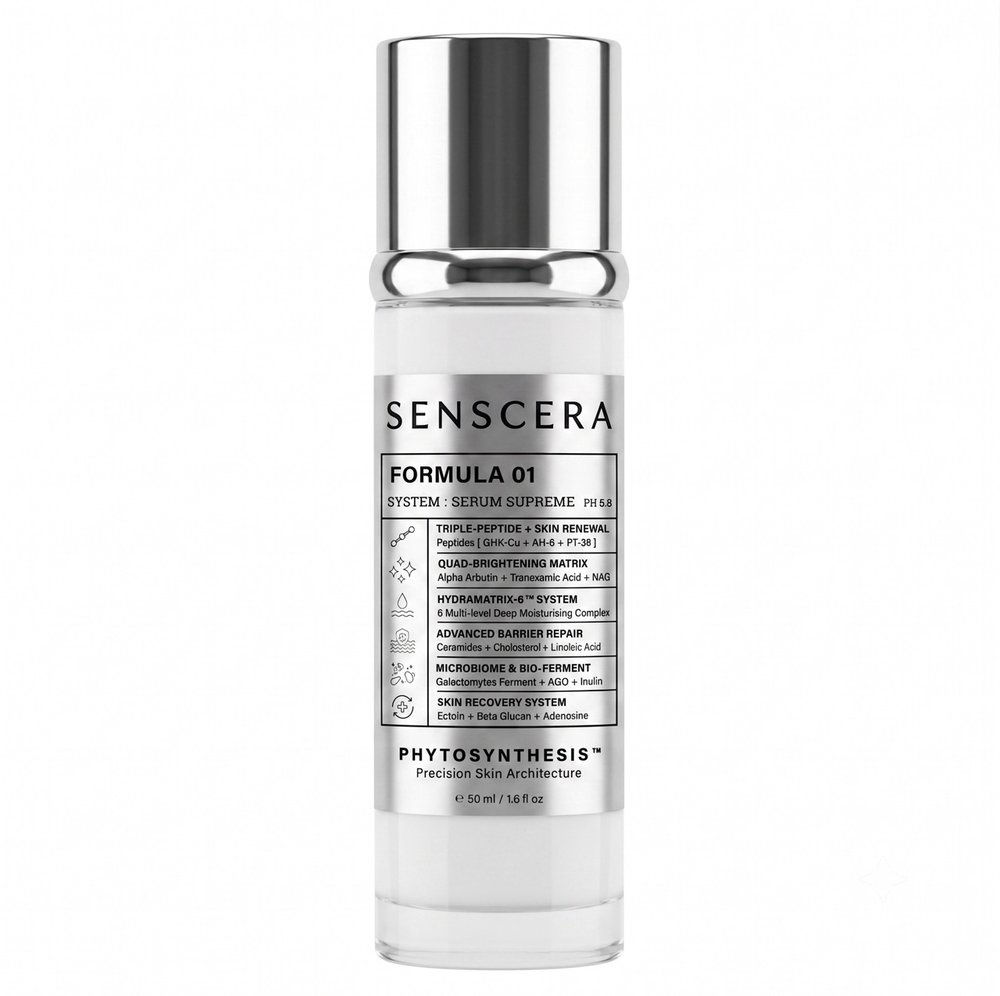
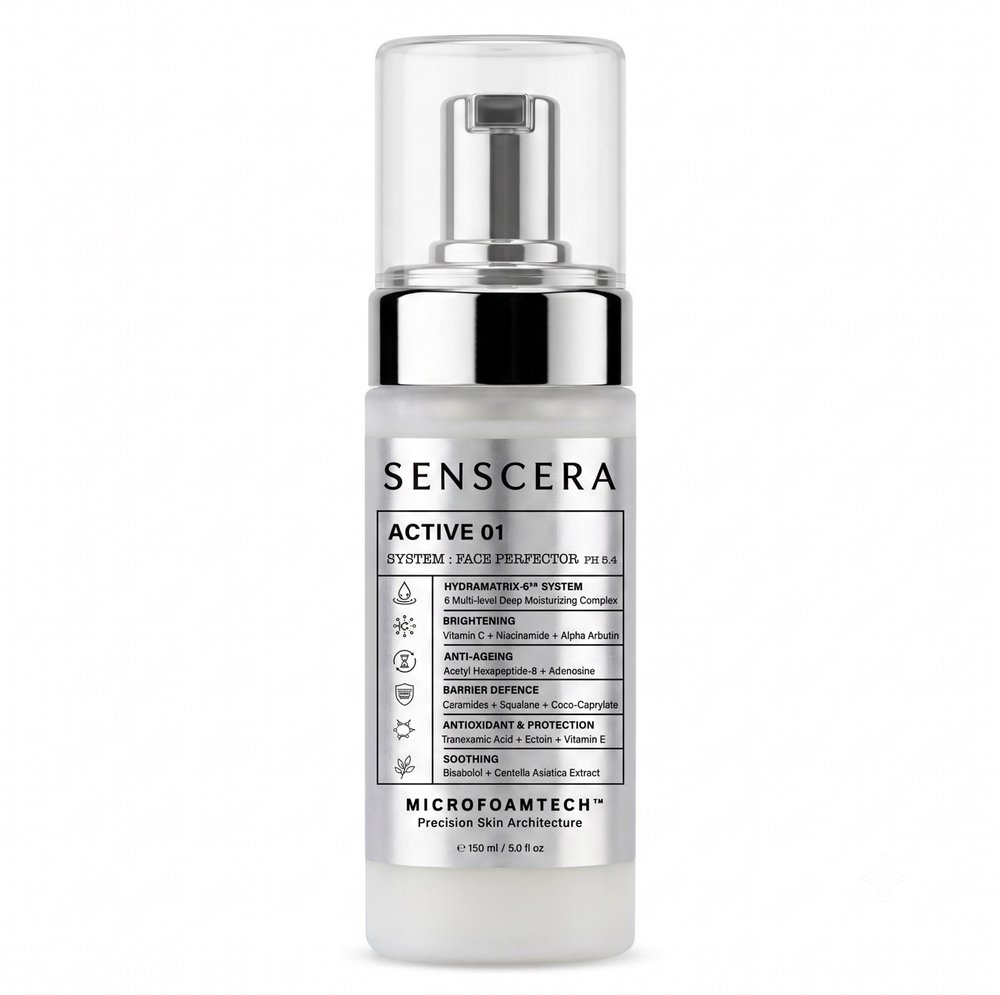
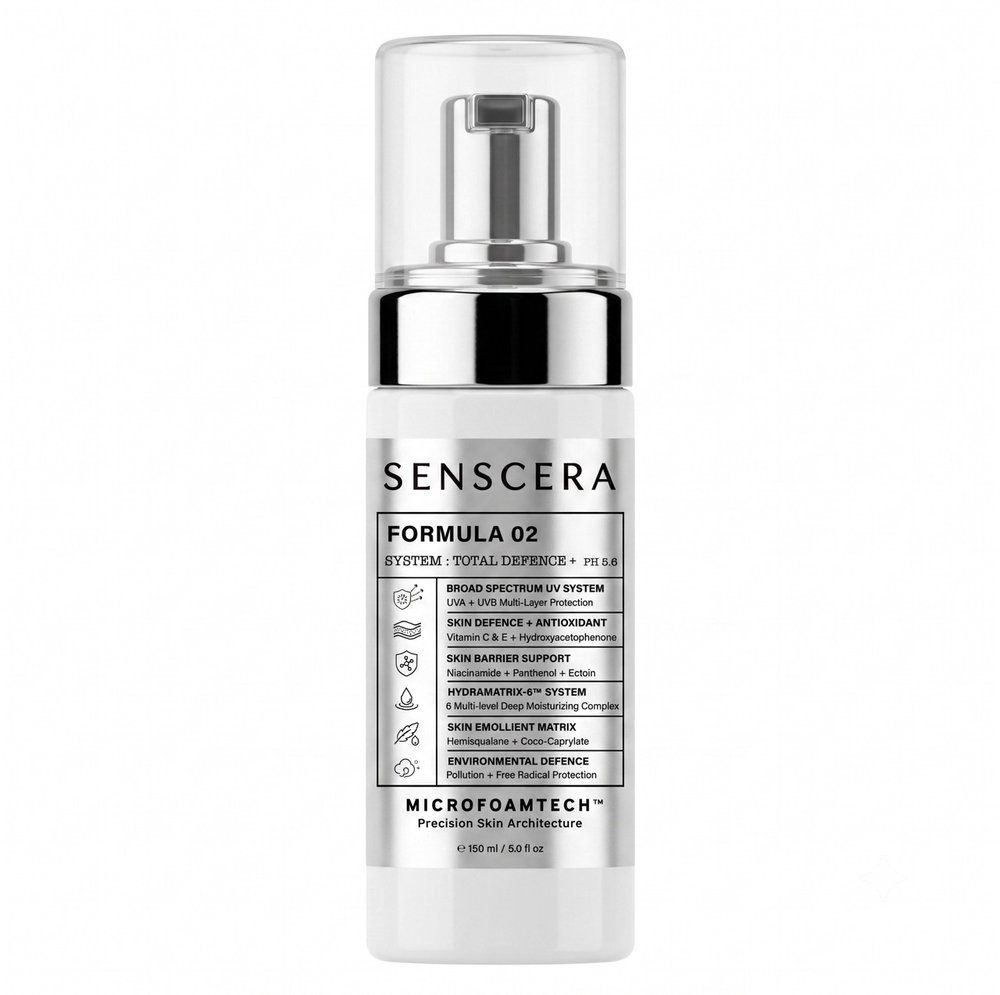
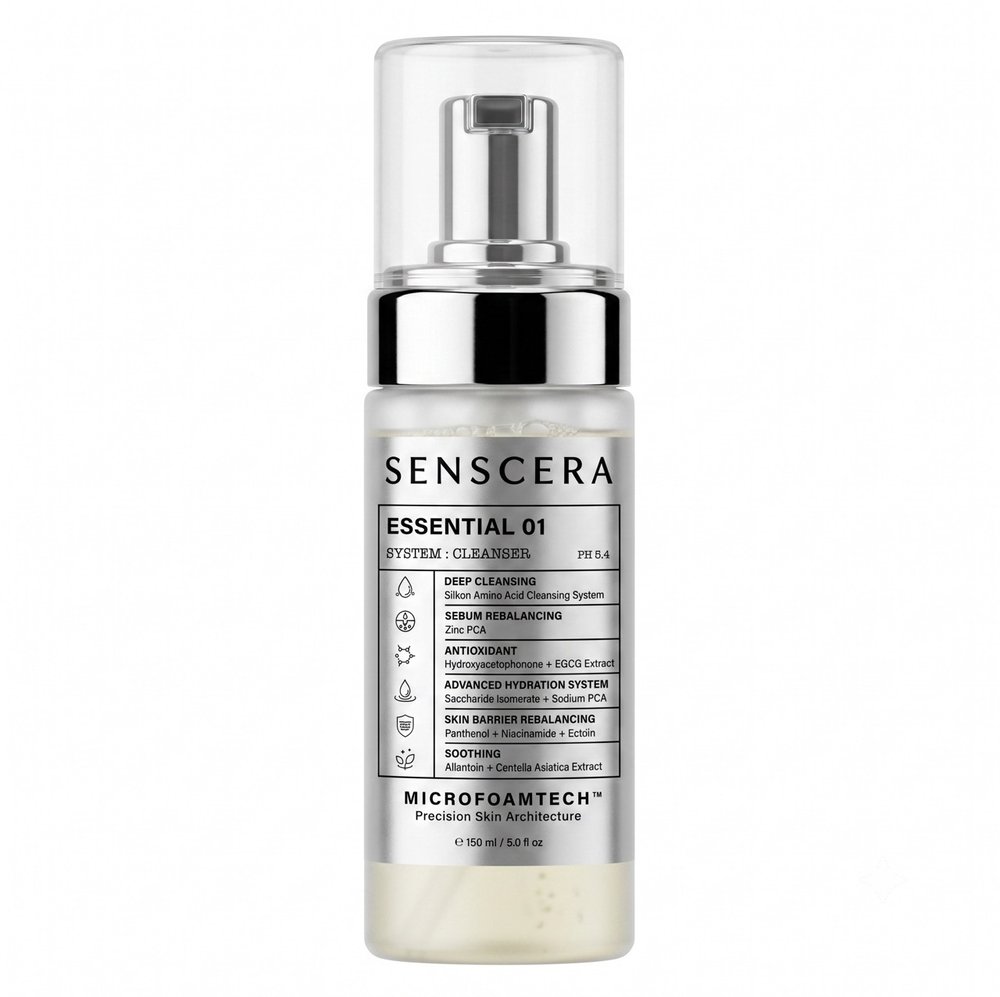
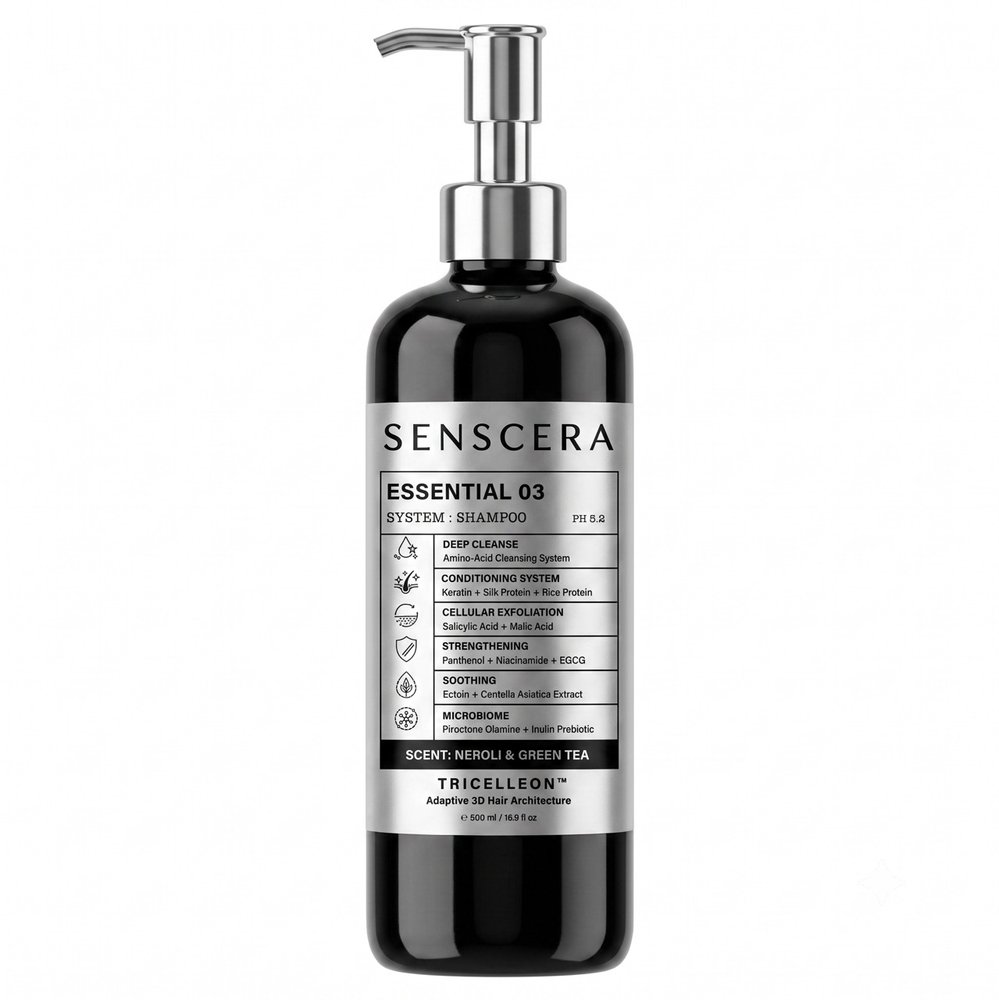
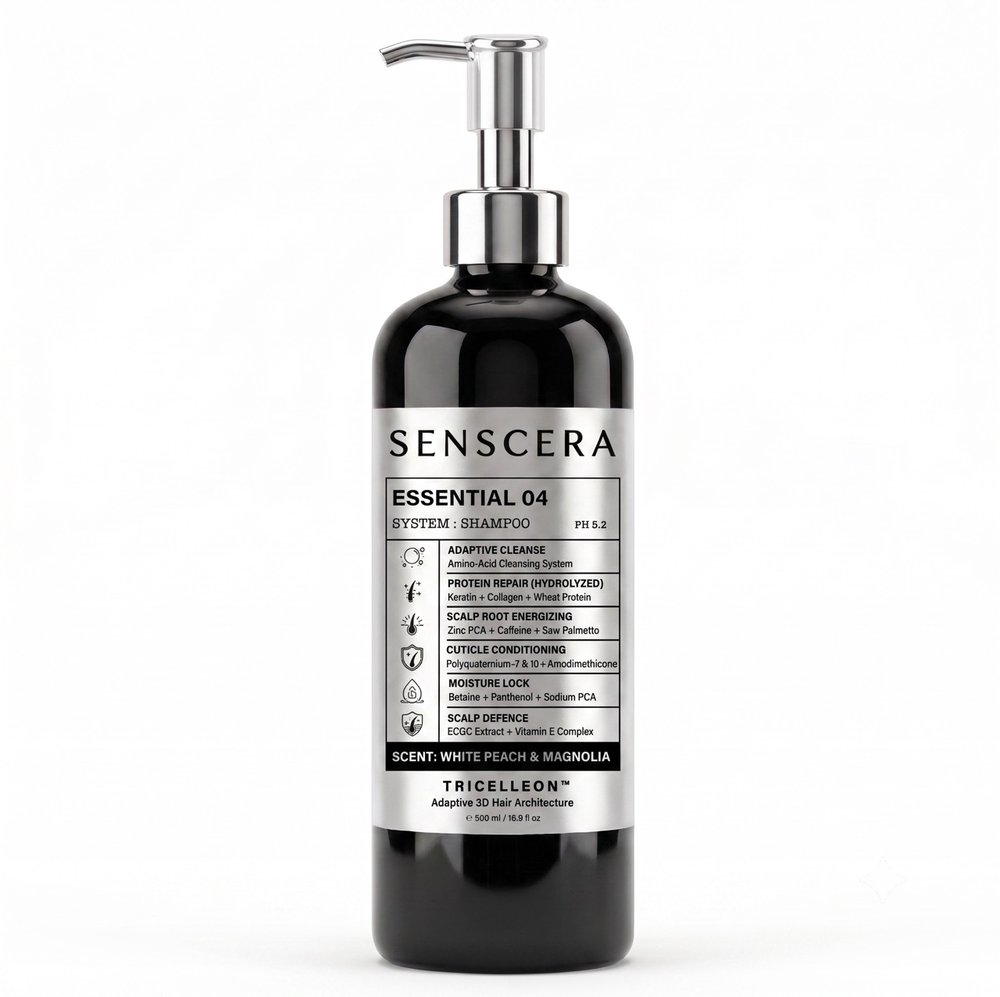
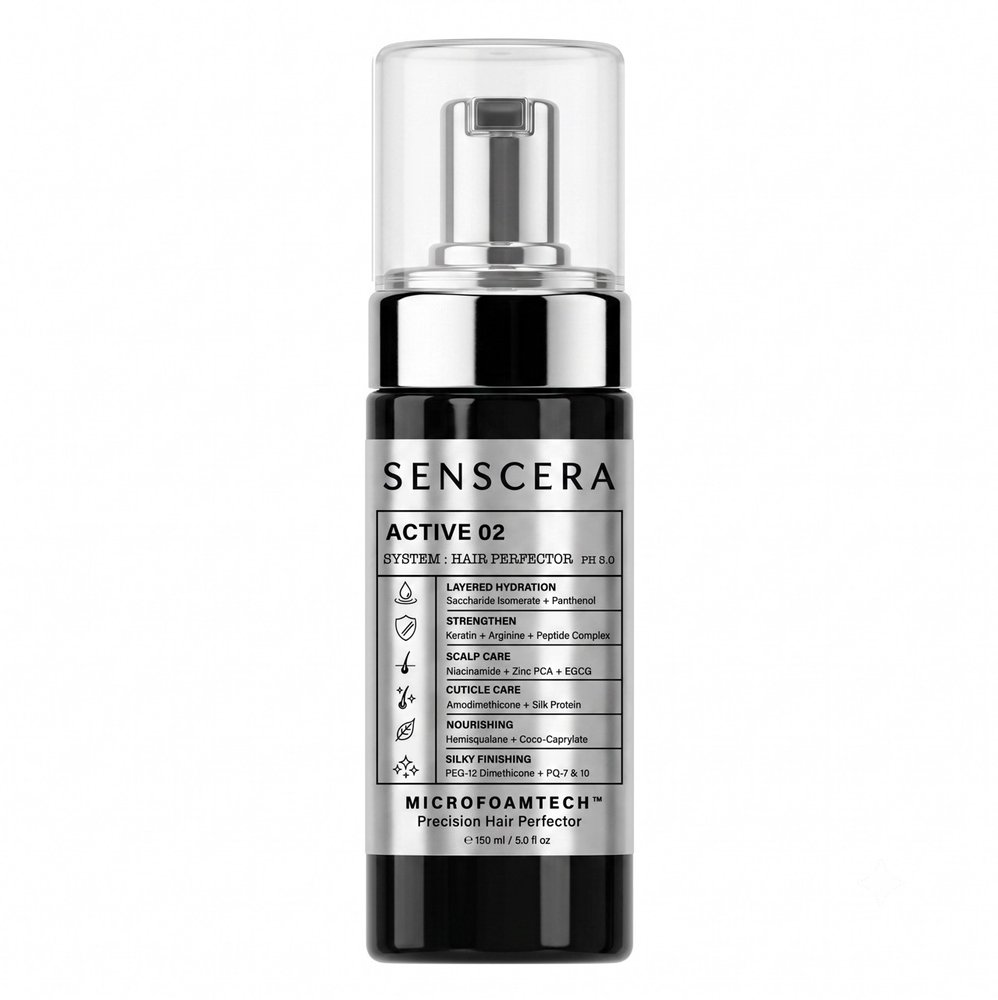
Evidence tiers reflect the general weight of published cosmetic-science literature on this ingredient, not a claim about any individual SENSCERA product. Cosmetic products support the appearance and condition of skin and hair; they are not intended to diagnose, treat, cure or prevent any disease. Individual results vary.