Complements synthesis inhibitors (Alpha Arbutin, Vitamin C) and transfer blockers (Niacinamide) by covering the inflammatory pathway they don't.
Brightening · Strong evidence
Tranexamic Acid
INCI: Tranexamic Acid
Targets stubborn marksReduces rednessEvens tone
Targets the stubborn, recurring marks that synthesis-blockers miss, by calming the inflammatory trigger behind them.
What it is
Tranexamic acid is a synthetic derivative of the amino acid lysine. It was first used in medicine to help control bleeding, and topical skincare use grew from the observation that it also visibly improves stubborn, inflammation-driven pigmentation.
How it works
Interrupts the inflammation trigger
Skin uses a signalling cascade, plasminogen to plasmin, to respond to UV and inflammation, and that cascade also stimulates melanocytes. By inhibiting plasminogen activation, tranexamic acid reduces the signals that keep telling pigment cells to switch on.
Addresses the vascular component
Many stubborn patches look both dark and flushed. Because it moderates the inflammatory and vascular side, it helps marks that other brighteners cannot reach, which is why it is the molecule of choice for pigment that keeps returning.
The evidence
Topical tranexamic acid has a growing, encouraging body of evidence for difficult, recurrent uneven tone. In cosmetic form it supports the appearance of even skin; it is not a treatment for any medical condition.
Worth knowing
Melasma is a medical condition, hormonally driven and relapsing. Cosmetic tranexamic acid can support the look of even tone, but melasma itself deserves a dermatologist.
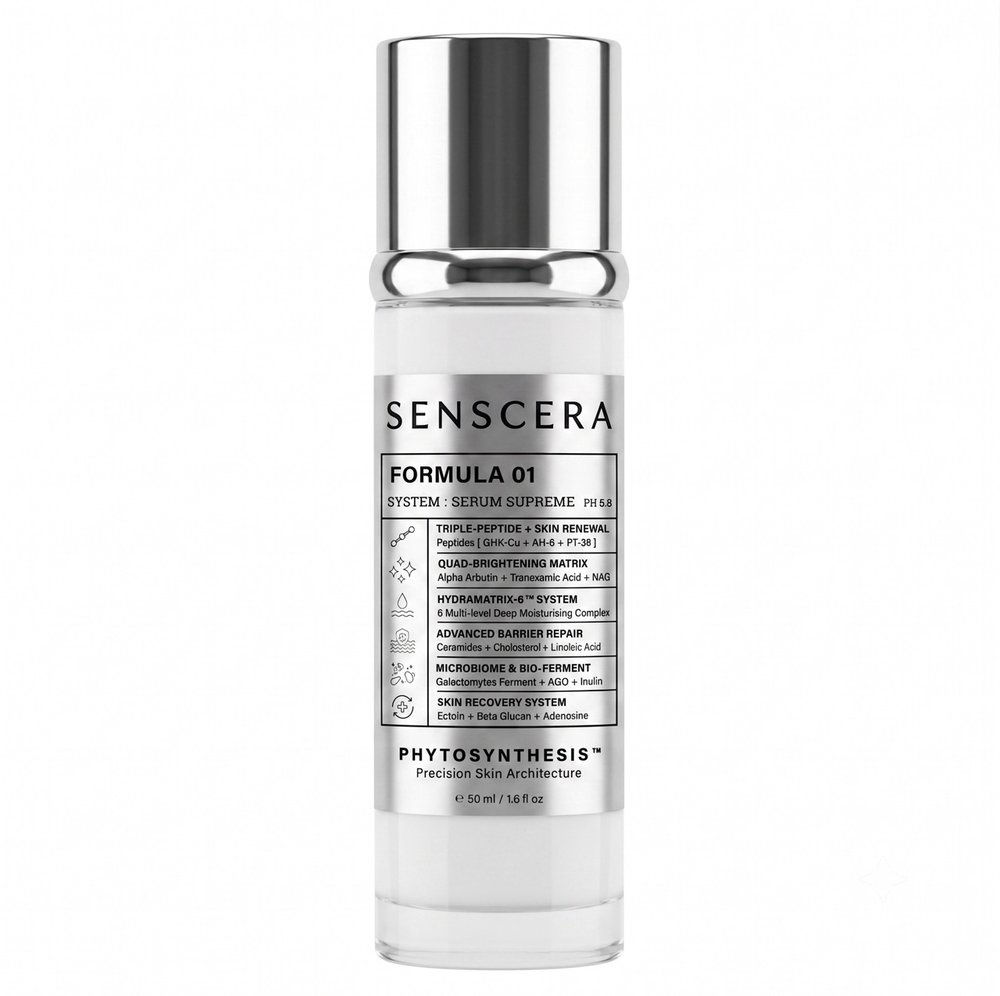
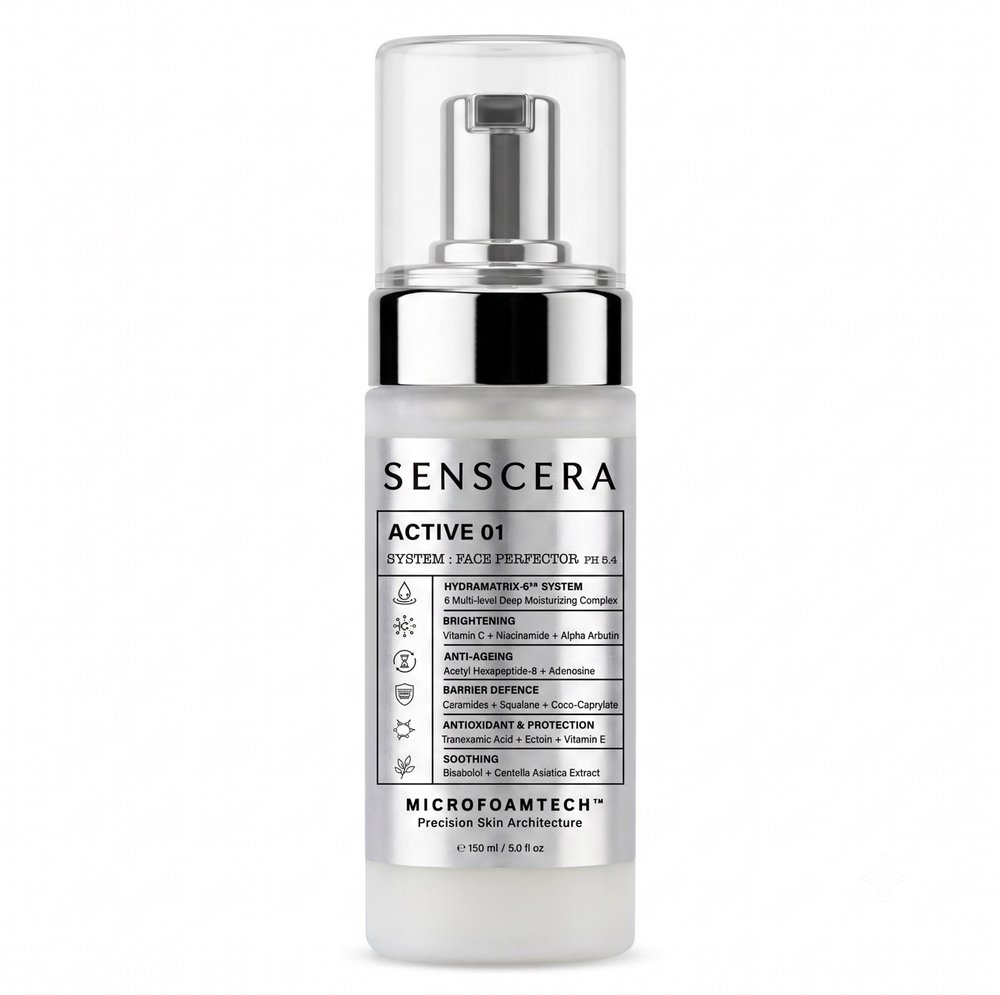
Evidence tiers reflect the general weight of published cosmetic-science literature on this ingredient, not a claim about any individual SENSCERA product. Cosmetic products support the appearance and condition of skin and hair; they are not intended to diagnose, treat, cure or prevent any disease. Individual results vary.