Work with Niacinamide (which prompts the skin to make more of its own ceramides) and with humectants that give them water to seal in.
Barrier & soothing · Established
Ceramides (NP, AP, EOP)
INCI: Ceramide NP, Ceramide AP, Ceramide EOP · the skin-identical barrier lipids
Rebuilds barrierLocks in moistureReduces sensitivity
The skin's own 'mortar', used here as a multi-ceramide complex that rebuilds the barrier the way skin actually builds it.
What it is
Your skin barrier works like a brick wall: flattened surface cells are the bricks, and a precise blend of lipids is the mortar that seals them. Ceramides make up roughly half of that mortar, but they are not a single molecule. Skin uses several distinct ceramides together, and SENSCERA uses a complex of three of the most important: Ceramide NP, Ceramide AP and Ceramide EOP. Each plays a slightly different structural role, and the combination mirrors the barrier's natural composition far better than any single ceramide can.
How it works
Rebuilds mortar with the right mix
Ceramide NP is the workhorse that restores general barrier structure. Ceramide AP adds stability and helps the lipid layers organise correctly. Ceramide EOP is a long-chain 'linker' ceramide that helps hold the whole lipid matrix together. Supplying all three lets the barrier reassemble the way it is meant to.
Reduces water loss and reactivity
A barrier rebuilt with the correct ceramide mix, alongside cholesterol and fatty acids, loses less water and reacts less to the outside world, so the look of sensitivity, redness and tightness eases.
Why the ratio matters as much as the ceramides
Barrier lipids are not a random mixture. In healthy skin, ceramides, cholesterol and free fatty acids sit in a roughly balanced proportion, and they self-assemble into highly ordered layers called lamellae, like sheets of mortar stacked with precision. This ordered, layered structure is what makes the barrier watertight.
Research is clear that applying ceramides alone is less effective than applying them alongside cholesterol and fatty acids in a balanced ratio, because only then can the lipids reassemble into the correct lamellar structure. A pile of bricks is not a wall. SENSCERA formulates ceramides with their lipid partners for exactly this reason.
The three ceramides we use, and their roles
- Ceramide NP (formerly Ceramide 3): the workhorse. It restores general barrier structure and is the most studied single ceramide for improving hydration and barrier function.
- Ceramide AP (formerly Ceramide 6-II): adds stability and helps the lipid layers pack together tightly and correctly, reinforcing the ordered structure.
- Ceramide EOP (formerly Ceramide 1): a long-chain 'linker' ceramide. Its extended structure spans and rivets adjacent lipid layers together, holding the whole lamellar stack in place. It is present in small amounts naturally but is disproportionately important to barrier integrity.
Supplying all three, rather than one, lets the barrier rebuild the way skin actually builds it.
The evidence
Ceramides are foundational, thoroughly studied barrier-repair lipids, and the evidence is strongest when several ceramide types are combined and balanced with cholesterol and fatty acids, exactly as a multi-ceramide complex delivers.
Worth knowing
A single ceramide helps, but skin's barrier is built from a mix. Naming NP, AP and EOP is not marketing detail, it reflects that the ratio and variety of barrier lipids matter as much as their presence.
Found in
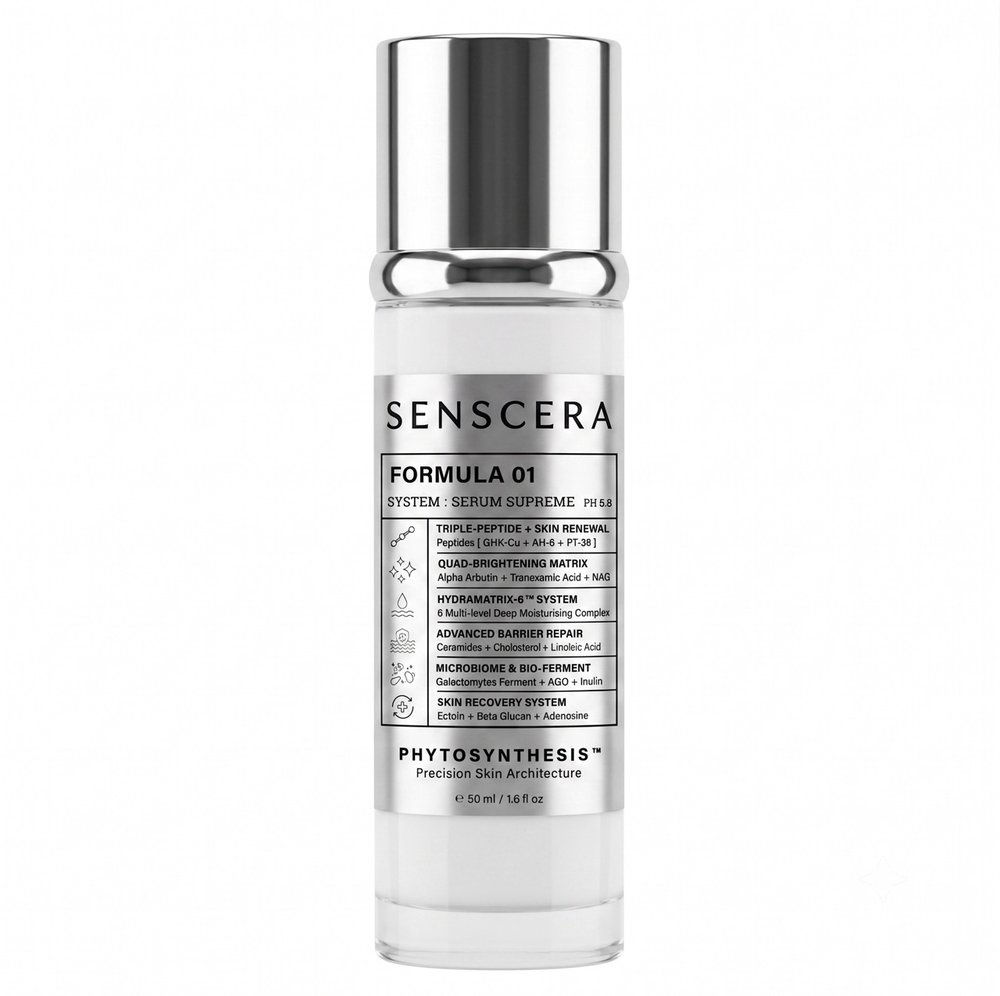
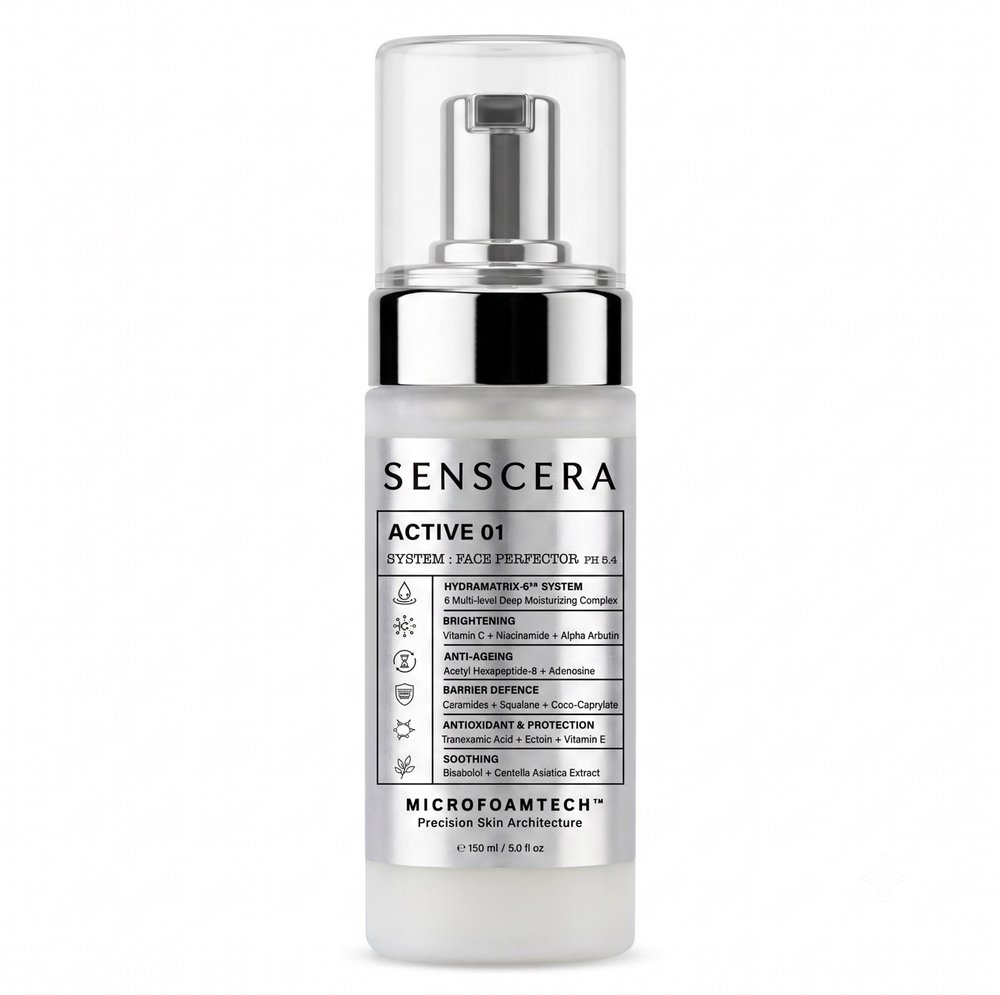
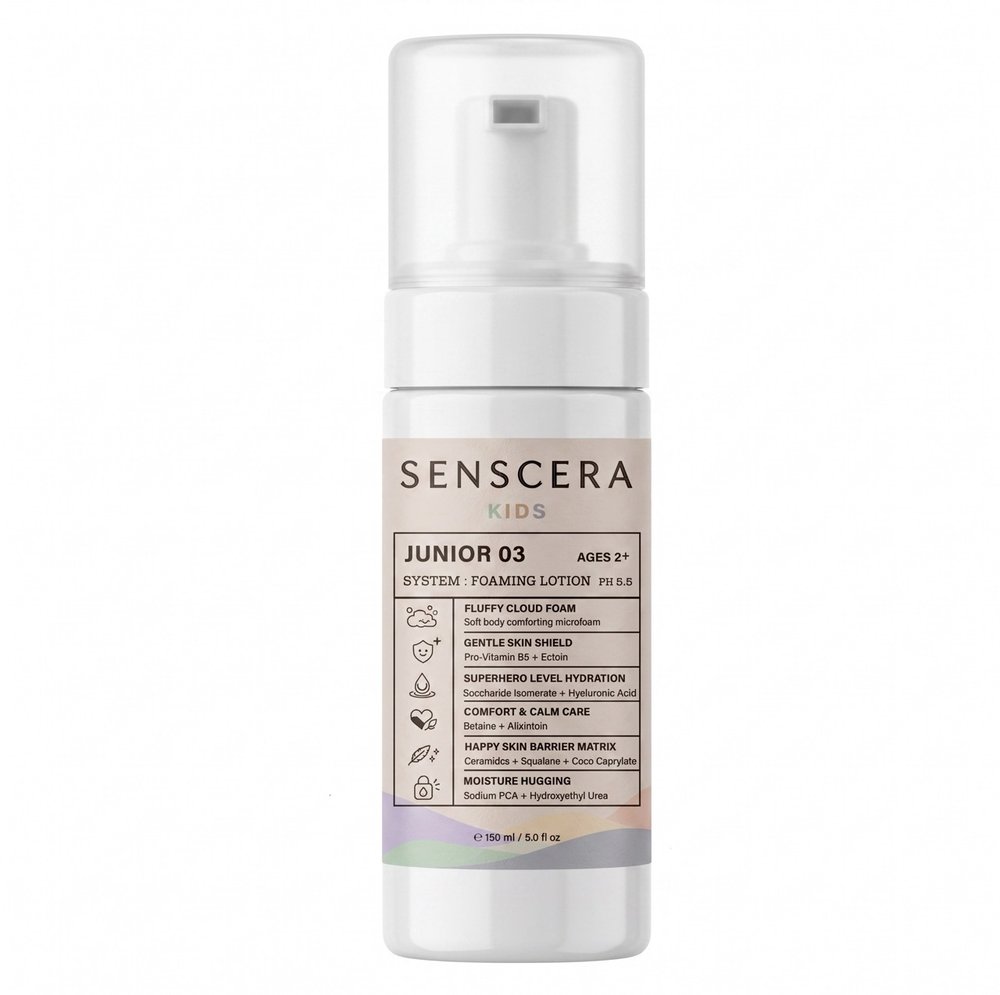
Evidence tiers reflect the general weight of published cosmetic-science literature on this ingredient, not a claim about any individual SENSCERA product. Cosmetic products support the appearance and condition of skin and hair; they are not intended to diagnose, treat, cure or prevent any disease. Individual results vary.